
Quiche Crust (Basic recipe)

If you are a fan of French cuisine, savory tarts and quiche recipes, then you probably knows that what makes a quiche truly stand out is the delicious and crispy crust!
In this article, I’ll share with you my classic shortcrust pastry recipe for quiche, which is practically foolproof. I’ll add a few tips on how to prevent the bottom of the quiche from getting soggy, and I’ll also show you how you can vary and adapt the quiche dough to your tastes.
Table of content

And if you’re looking for new quiche ideas, check out my easy mushroom and spinach quiche recipe for weeknights. One of my favorite quiche recipes is this fresh salmon and leek quiche.
A summer French classic is this tuna, tomato and mustard quiche and finally this autumn, try this roasted pumpkin quiche with feta and spinach.
Which dough to make a quiche?
The quiche crust is an essential element of any quiche, and making a flaky, buttery crust from scratch is easier than you might think.
The ideal dough for a quiche crust, in my opinion, is pâte brisée or shortcrust pastry. This is a butter-based dough that is crisp and allows the filling to be well supported after baking.
Keep in mind that there are other options for the quiche crust of course, including using puff pastry or even making a crustless quiche.
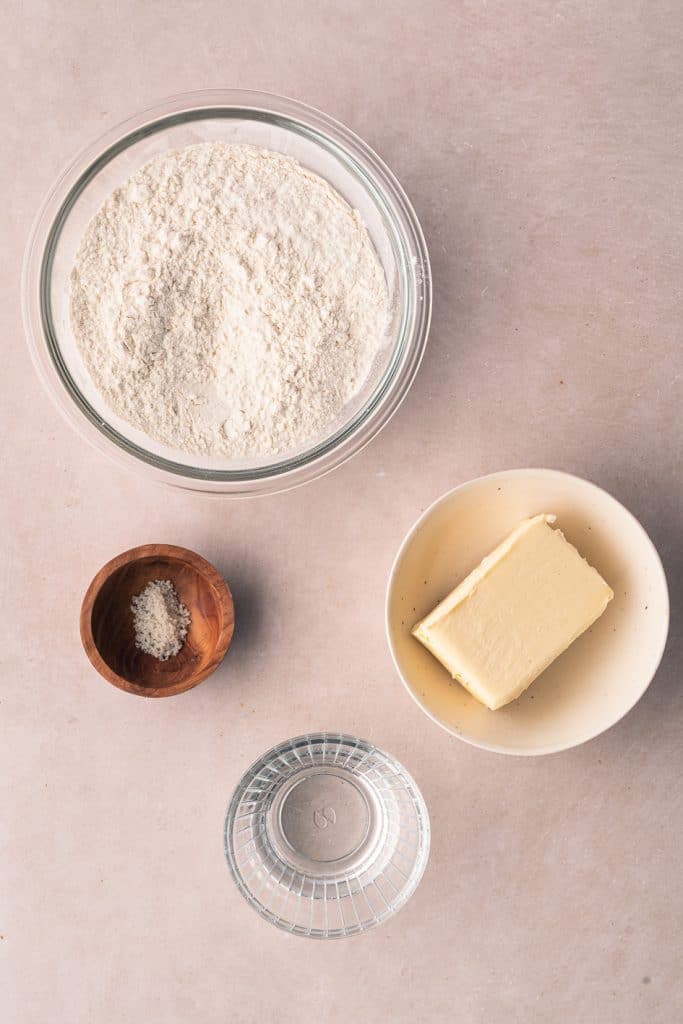
List of ingredients: quiche crust
To make this basic buttery quiche crust, you only need 4 simple ingredients: flour, butter, water and salt.
- Flour: For my basic recipe, I use all-purpose flour, which is readily available in most grocery stores. However, you can use other types of flour, such as gluten-free flour or whole wheat flour, depending on your dietary needs and preferences.
- Butter: I prefer to use unsalted butter, as it allows me to control the amount of salt in the recipe. If you don’t have unsalted butter on hand, you can use salted butter, but be sure to adjust the amount of salt accordingly. For best results, I recommend a French butter with min 83 % fat. The butter should be a t room temperature.
- Water: I use cold water. Water is used to adapt the consistency of the dough. The quantity indicated is the minimum quantity and you can adapt and add a few more drops, if you feel that the dough is too dry.
- Salt: Salt is important in enhancing the flavor of the quiche crust.
- Additional flavor (optional): If you want to add some extra flavor to your quiche crust, you can incorporate herbs, spices or even grated cheese (see below for more ideas)
Equipment: quiche crust
Don’t worry about needing any fancy equipment to make a quiche crust. I like to use a kitchen machine to mix the dough, but you can totally do it by hand too. The dough doesn’t need a long kneading or anything like that.
- Mixing bowl: I use a large mixing bowl or you can use the bowl of a food processor.
- Rolling pin: I use a wood rolling pin to roll out the dough
- Quiche pan: I use a 32 cm ceramic pie dish (12 inches), I also like sometimes a pie pan with a removable bottom to easily serve the quiche on a serving plate.
- Pie weights: You will need some weight to blind bake the quiche crust. I use dry beans but you can use uncooked rice or chickpeas.

How to make a quiche crust?
Preparing the quiche crust dough only takes about 5 minutes, with an additional 15 minutes needed for resting while you work on the other steps of the quiche. After that, you only need 15 minutes for pre-baking the crust, during which you can continue following the rest of the quiche recipe.
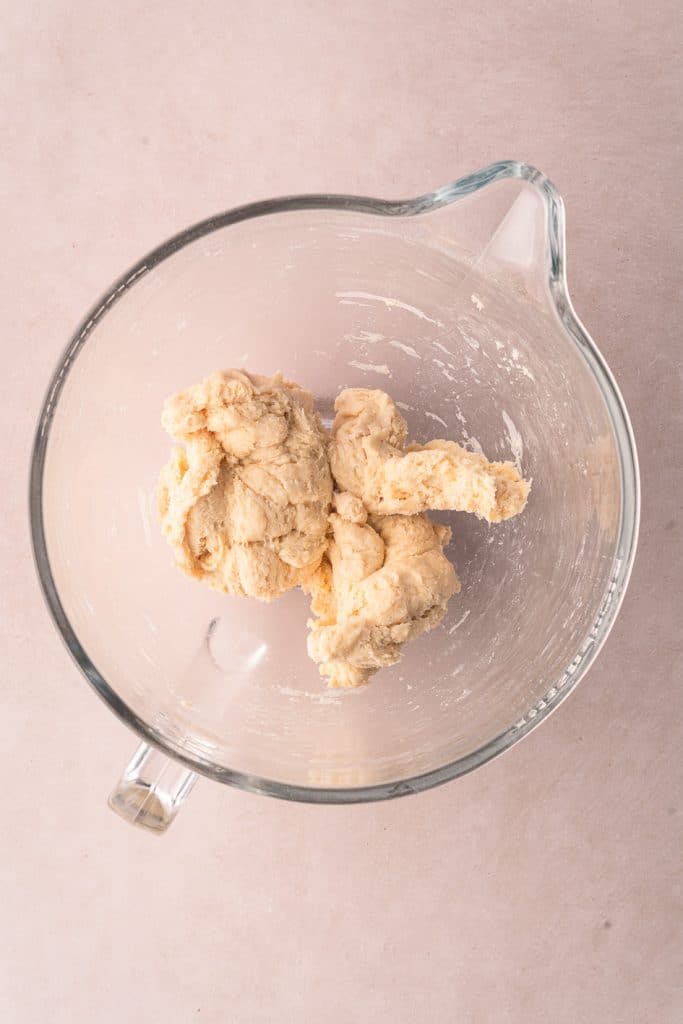
MIX: In a large bowl, combine the flour and salt. Cut the butter into small pieces and add it to the bowl. Using a kitchen machine or your hands, work the butter into the flour mixture until it resembles coarse sand. Gradually add in the cold water, mixing until the dough comes together. Be careful not to overwork the dough.
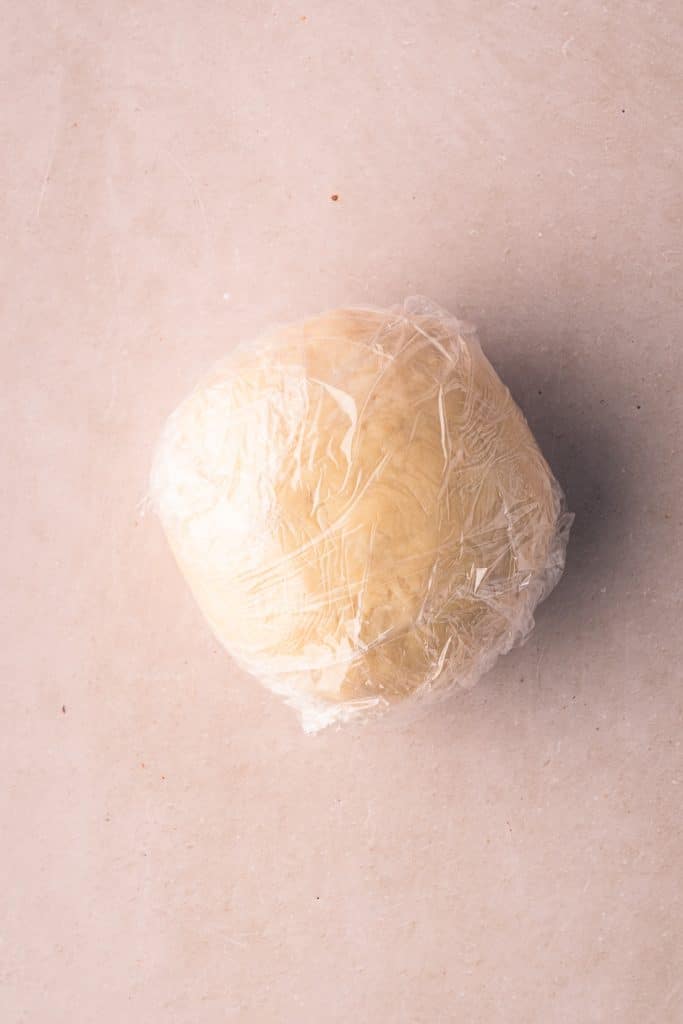
REST: Form the dough into a ball. Wrap tightly in plastic wrap and refrigerate. You can also place it in the freezer for 15 minutes to save time or in the refrigerator for 1 hour. This resting period allows the quiche dough to chill and the gluten to relax, making it easier to roll out.

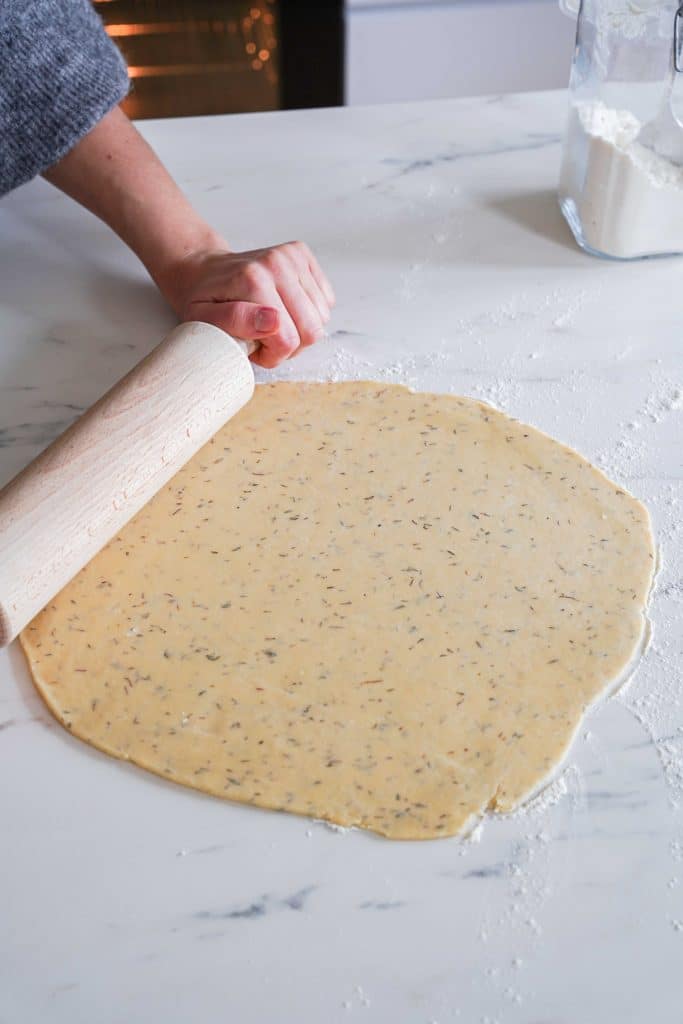
ROLL OUT: Preheat your oven to 180 °C (350 °C). On a floured surface, roll out the dough. Carefully transfer the rolled-out dough on a tart pan greased with butter or covered with parchment paper. Press the edges with your rolling pin to remove excess dough. Prick the dough with a fork to avoid air bubbles during the baking.

BLIND BAKE: To blind bake the crust, line it with parchment paper and fill it with pie weights, dry beans, or uncooked rice. This prevents the crust from puffing up during baking. Bake the crust for about 15 minute. Remove from the oven and let cool completely before adding the quiche filling.


FILLING: Now you are ready to add your favorite quiche filling and the egg mixture. See below for quiche recipe ideas.
BAKE: Finally, bake the quiche in the oven for another 30-35 minutes until the edges of the crust are golden brown and the egg mixture is set.
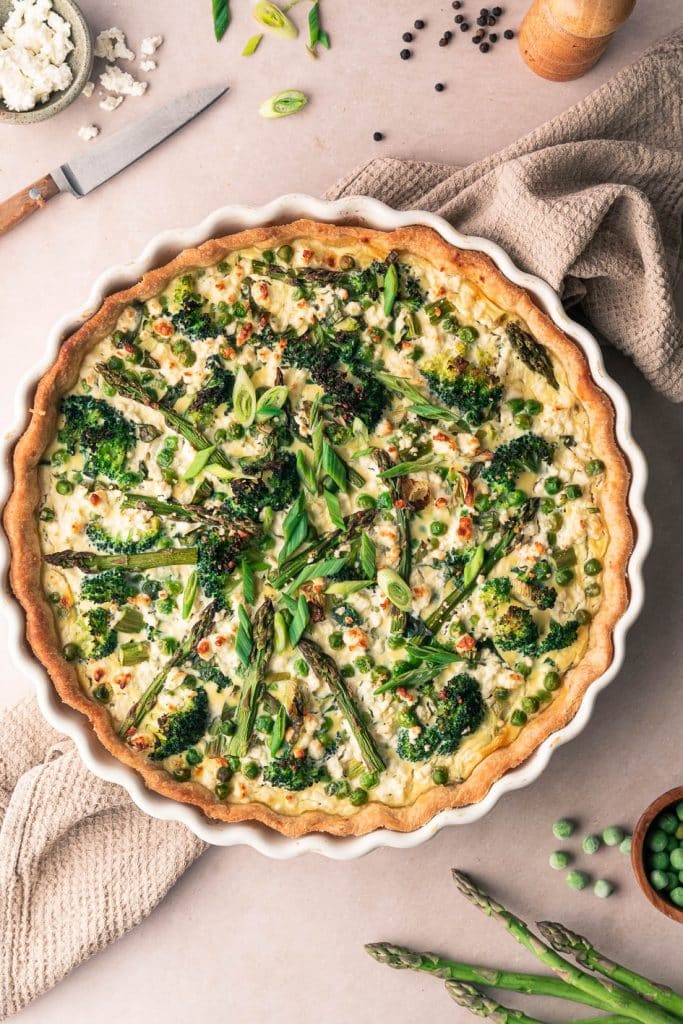
Why I always recommend an homemade quiche crust!
I always recommend to make your own quiche crust instead of using a store-bought crust. This recipe is incredibly easy and requires only a few basic ingredients. With no special equipment needed, it’s a simple and satisfying process that allows you to have complete control over the quality of the ingredients you use.
Best of all, by making your own pastry, you can avoid preservatives and you have full control of what you eat.
Variation ideas
This recipe is really my basic quiche crust recipe but you can vary this recipe to add some excitement and flavor to your quiche:
- Herbs: For an herb-flavored dough, add 1 to 2 tablespoons of chopped fresh or dried herbs, such as thyme or rosemary, to the dough mixture. This will give your crust a fragrant and savory flavor that complements the fillings of your quiche.
- Cheese: To make a cheesy crust, add 1/2 cup of grated Parmesan or cheddar cheese to the dough.
- Spices: For a spiced crust, add a teaspoon of your favorite spice or seasoning blend, such as cumin, smoked paprika, or curry powder, to the dough.
- Gluten-free: For a gluten-free dough, replace the all-purpose flour in the recipe with an equal amount of gluten-free flour or a mixture of almond flour and tapioca flour. Keep in mind that gluten-free flours tend to absorb more liquid, so you may need to add a bit more water to the dough to achieve the right consistency.
- Vegan: To make a vegan quiche crust, replace the butter in the recipe with an equal amount of margarine or vegan butter. You can also replace the butter with olive oil. Multiply the quantity by 0,80 so 80 g of oil for 100 g butter for a perfect consistency.
FAQ : Quiche crust
Yes, you can make the quiche crust ahead of time and store it in the refrigerator for up to three days or in the freezer for up to 1 year.
To freeze the crust, wrap it tightly in plastic wrap and then aluminum foil. Thaw it in the refrigerator before using.
Pre-baking the quiche dough, also known as blind baking, ensures that the dough will be cooked through after the quiche is baked, rather than undercooked or doughy. This is especially important for quiches with moist fillings, as it prevents the crust from becoming soggy.
To prevent a soggy crust, blind bake it before adding the filling. Partially bake in the oven (see above) to firm up and form a barrier against moisture.
You can also brush the crust with egg whites to create an additional layer of protection after blind baking.
Don’t hesitate to leave me a comment, it always makes me happy!

You can also find me on Instagram, Facebook and TikTok to see behind the scenes of my blog
Recipe card
Quiche Crust (Basic recipe)
Click on the stars to rate!

Ingredients
- 250 g flour
- 125 g butter room temperature
- 60 ml cold water
- 1 pinch salt
Instructions
- MIX: In a large bowl, combine the flour and salt. Cut the butter into small pieces and add it to the bowl. Using a kitchen machine or your hands, work the butter into the flour mixture until it resembles coarse sand. Gradually add in the cold water, mixing until the dough comes together. Be careful not to overwork the dough.
- REST: Form the dough into a ball. Wrap tightly in plastic wrap and refrigerate. You can also place it in the freezer for 15 minutes to save time or in the refrigerator for 1 hour. This resting period allows the quiche dough to chill and the gluten to relax, making it easier to roll out.
- ROLL OUT: Preheat your oven to 180 °C (350 °C). On a floured surface, roll out the dough. Carefully transfer the rolled-out dough on a tart pan greased with butter or covered with parchment paper. Press the edges with your rolling pin to remove excess dough. Prick the dough with a fork to avoid air bubbles during the baking.
- BLIND BAKE: To blind bake the crust, line it with parchment paper and fill it with pie weights, dry beans, or uncooked rice. This prevents the crust from puffing up during baking. Bake the crust for about 15 minute. Remove from the oven and let cool completely before adding the quiche filling.
- FILLING: Now you are ready to add your favorite quiche filling and the egg mixture.

